
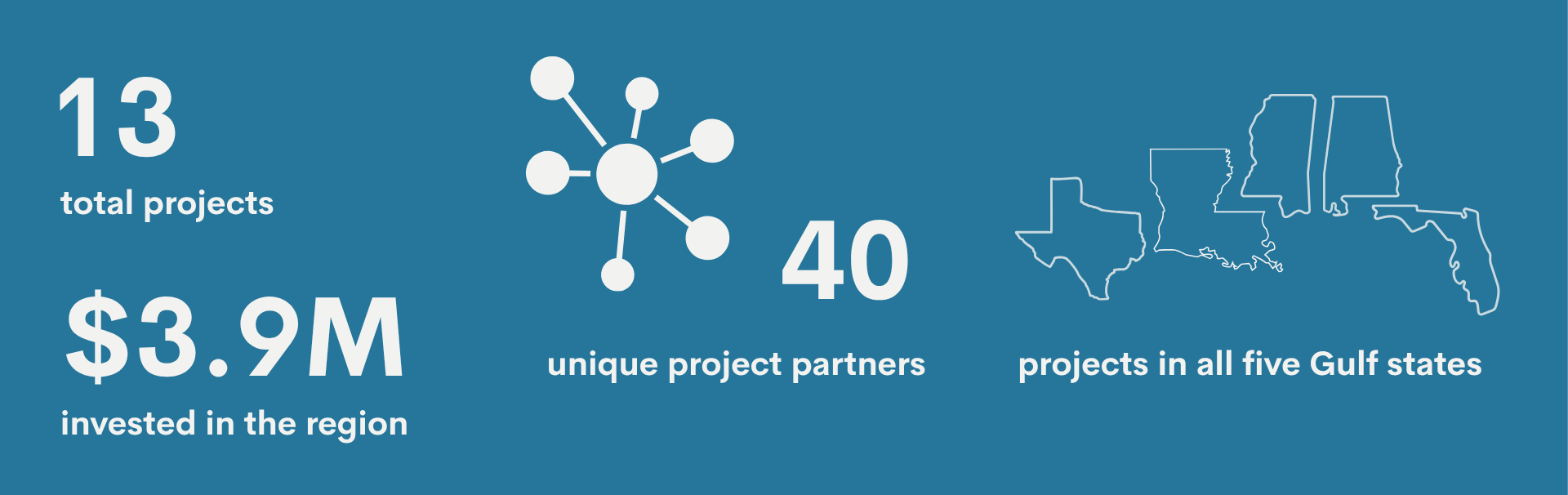
The Gulf of America Alliance invested $3.9 million in funding from the National Oceanic and Atmospheric Administration (NOAA) Office for Coastal Management to increase regional collaboration and support priorities identified by the five Gulf states. The funds fueled implementation of 13 projects that improved coastal community resilience, data accessibility and sharing, environmental education, habitat and water resources, wildlife and fisheries, and marine debris; projects began in late 2023 and continued through 2026.
Four Regional Ocean Partnerships, including the Gulf of America Alliance, received similar awards. Regional Ocean Partnerships focus on issues that are identified by the member states, provide a voice for a wide variety of stakeholders, and advance collaborative solutions. They also leverage public and private funding to accomplish objectives common to multiple stakeholders across the region, reducing duplication. Information about each of the projects is provided below.
Project Descriptions
Resilient Communities and Affordable Housing Planning: Florida Pilot Project to Define Best Practices and New Resources
Location: Florida (Bay and Walton counties)
Lead Institution: Florida Housing Coalition
Partners: Emerald Coast Regional Council, Texas A&M Agrilife Extension
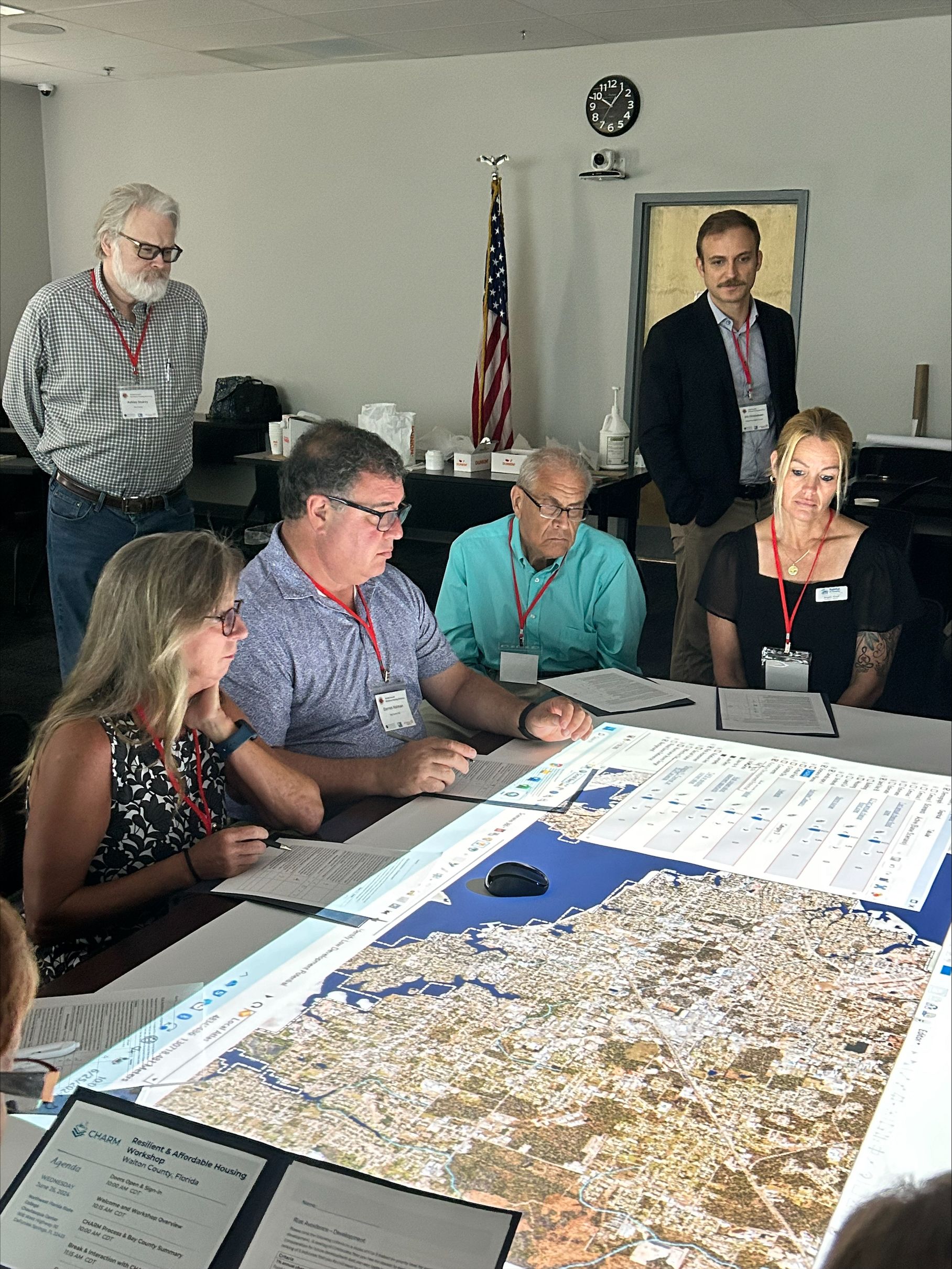
Summary: This project assisted local government efforts to find suitable locations for new housing by integrating affordable housing policy, land use, hazard vulnerability, and resilience. The team also produced a guide for local governments, planners, and housing staff to identify locations for building resilient and affordable housing that can be applied across the Gulf states.
Outreach Videos for Crab Trap Loss Prevention in the Gulf
Locations: Alabama, Florida, Louisiana, Mississippi, and Texas
Lead Institution: Lemonlight Media, Inc.
Partners: Alabama Department of Conservation and Natural Resources, Florida Fish and Wildlife Conservation Commission, Louisiana Department of Wildlife and Fisheries, Mississippi Department of Marine Resources, Texas Parks and Wildlife Department
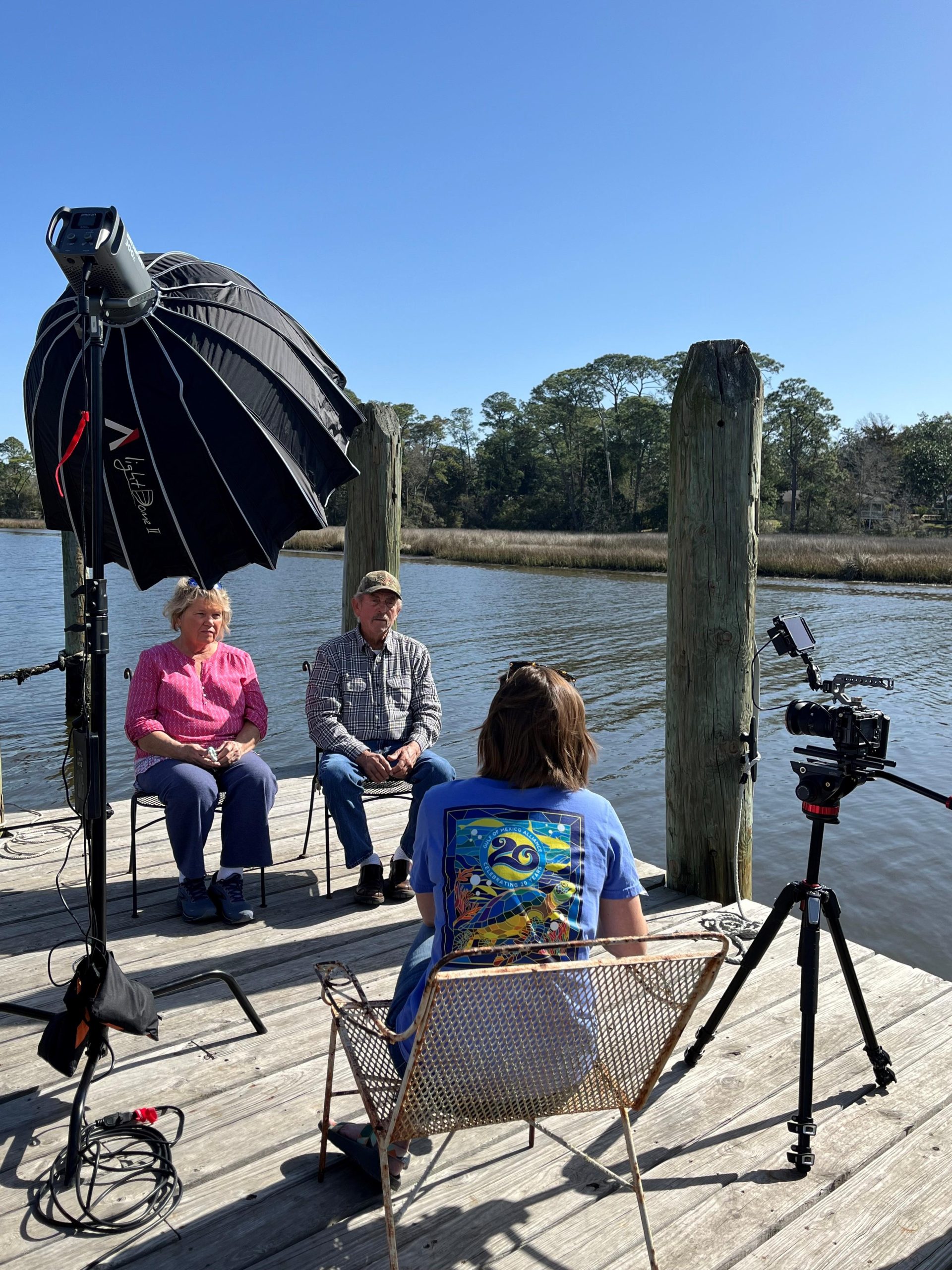
Summary: These videos raise awareness about the crabbing industry, crab trap loss, and best practices for crabbers, boaters, and members of the coastal community. They also promote positive behavior change by showing viewers how small actions, such as avoiding trap buoys, keeping trash off the water, or volunteering at cleanups, can make a big difference. The videos are available on the Alliance’s Vimeo site: https://vimeo.com/channels/gulfcrabtrapoutreach
Derelict Crab Trap Detection and Removal
Locations: Alabama, Florida, Louisiana, Mississippi, and Texas
Lead Institution: Gulf States Marine Fisheries Commission
Partners: Alabama Department of Conservation and Natural Resources, Florida Fish and Wildlife Conservation Commission, Louisiana Department of Wildlife and Fisheries, Mississippi Department of Marine Resources, Texas Parks and Wildlife Department
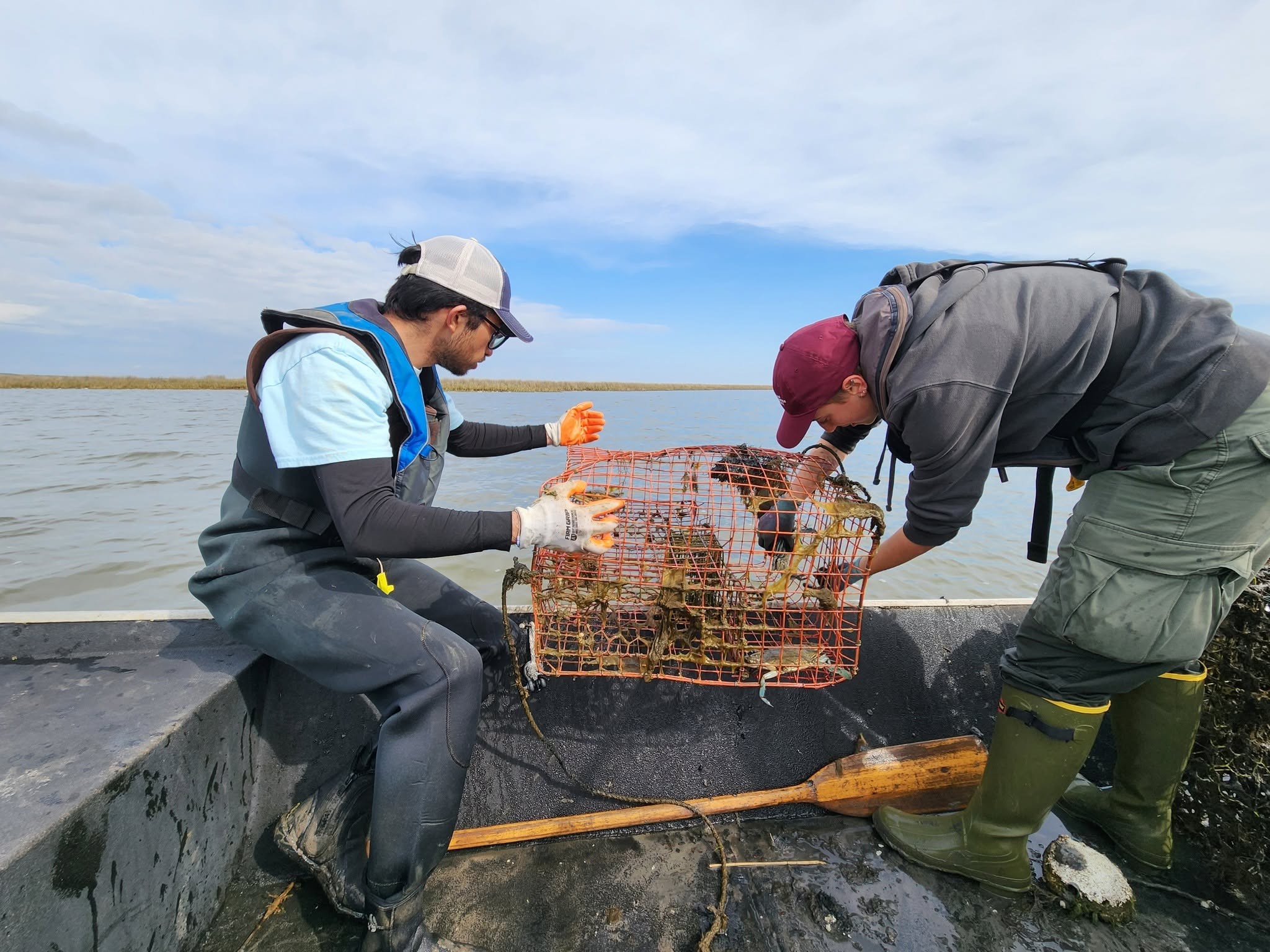
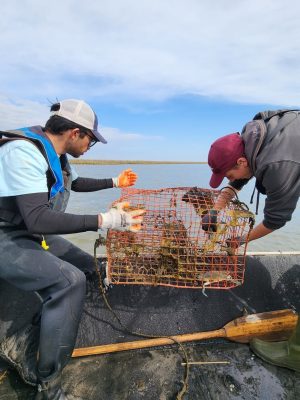
Summary: Working with partners in each state and the Gulf States Marine Fisheries Commission, this project improved derelict crab trap detection and supported removal programs to reduce mortality of blue crabs and other species due to ghost fishing. In total, 3,895 derelict traps were removed during the project, along with 2,100 pounds of aquaculture debris removed from the Cedar Key region in Florida.
Analysis of Common Water Parameters
Locations: Alabama, Florida, Louisiana, Mississippi, and Texas
Lead Institution: Consolidated Safety Services Incorporated (CSS)
Partners: RESTORE Council, Texas Commission on Environmental Quality, Florida Department of Environmental Protection, Florida Fish and Wildlife Conservation Commission, Louisiana Department of Environmental Quality, National Oceanic and Atmospheric Administration
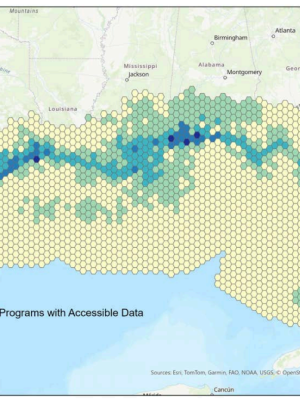
Summary: This project looked at the analytical methods used by monitoring programs across the Gulf to generate water quality data and examined the water quality parameters included in the RESTORE Council Monitoring and Assessment Program. Products include a data dictionary, analytical method crosswalk, analytical method catalog, and final report. These resources are available on our website: https://gulfofamericaalliance.org/resources/tools/
Waters to the Sea Gulf Coast Adventure
Locations: Alabama, Florida, Louisiana, Mississippi, and Texas
Lead Institution: Hamline University
Partners: Weeks Bay NERR, Dauphin Island Sea Lab, Rookery Bay NERR, Louisiana Department of Wildlife and Fisheries, Louisiana Sea Grant, Pontchartrain Conservancy, EPA Gulf of America Division, Texas A&M Agrilife Extension, Texas Parks and Wildlife Department Summary: Waters to the Sea is a multimedia learning resource for educators and students in grades 3-12 focused on the Gulf’s coastal environments and watersheds. Topics include the history of the Gulf, estuaries, wildlife refuges, watersheds, geology, hurricanes, industry, fishing and recreation, and more. Dozens of original and curated videos, interactive maps, multimedia learning modules, and captioned image galleries are available for educators to use at: https://waterstothesea.org/GulfCoast
Advancing Capacity for Marsh Modeling Retrospective Analyses
Locations: Florida (Franklin County), Louisiana (Plaquemines and St. Bernard parishes), and Mississippi (Jackson County)
Lead Institution: The Water Institute
Partner: Mississippi State University
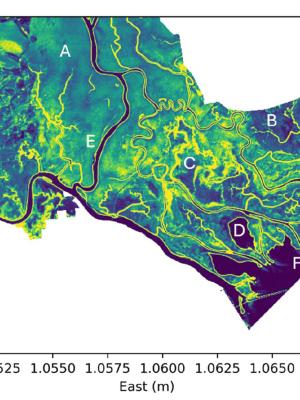
Summary: This project developed a new workflow that reconstructs historic marsh elevations using satellite images, vegetation data, and water-level records. The approach was used to produce “synthetic” digital elevation models for three coastal marshes (Apalachicola, FL, Breton Sound, LA, and Grand Bay, MS). An extensive code base was also developed for the project, allowing for future expansion to other coastal wetland locations.
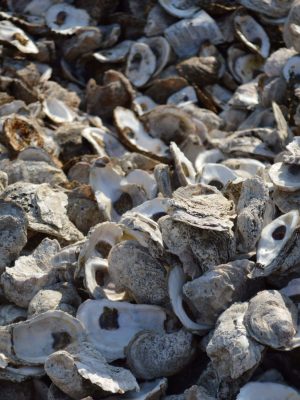
Oyster Habitat Status and Trends Analysis
Locations: Alabama, Florida, Louisiana, Mississippi, and Texas
Lead Institution: Freese and Nichols, Inc.
Partners: Alabama Department of Conservation and Natural Resources, Florida Fish and Wildlife Conservation Commission, Louisiana Department of Wildlife and Fisheries, Mississippi Department of Marine Resources, Texas Parks and Wildlife Department
Summary: This project mapped historic oyster habitat in the five Gulf states, identified data gaps, documented oyster habitat trends, identified local and regional threats to oyster habitat, and developed recommendations for a region-wide oyster status and trends assessment. Overall, recent data from MS and AL indicate a decrease in oyster density over the past 10 years; results in FL and TX vary, depending on location; LA oyster reefs appear stable.
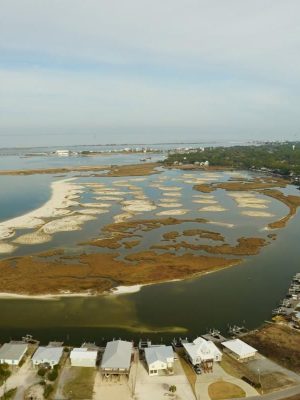
Exploring a Framework for Achieving Flood Insurance Benefits from Community-Scale Nature Based Solutions
Location: Alabama (Mobile County)
Lead Institution: The Water Institute
Partner: Moffatt & Nichol, Munich Re
Summary: This project explored how marsh restoration projects might make flood insurance more affordable. The project team calculated how much a restored marsh on Dauphin Island, Alabama, lowers water levels during high tides and storms, and the amount this lowers flood risk for nearby homes. The work is an important first step in connecting marsh restoration with flood risk reduction, potentially leading to lower insurance costs over time.
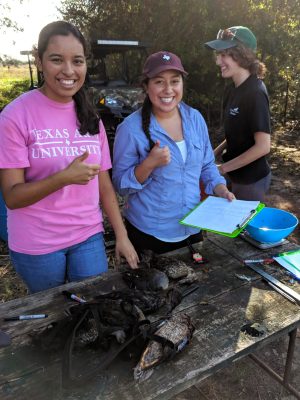
Evaluation of Microplastics and Ecotoxins in Waterfowl
Locations: Louisiana and Texas
Lead Institution: Texas A&M AgriLife Research
Partner: Louisiana Tech University
Summary: To assess emerging risks to wildlife, researchers with this project tested hunter-donated ducks for microplastics and contamination from PFAS “forever chemicals.” The research team analyzed samples from more than 700 ducks and results suggest feeding behavior may influence microplastic ingestion. Certain species of dabbling ducks, including Northern Shoveler and Mottled Ducks, may be at higher risk because they feed at the surface. The project also included student training and public outreach with hunters.
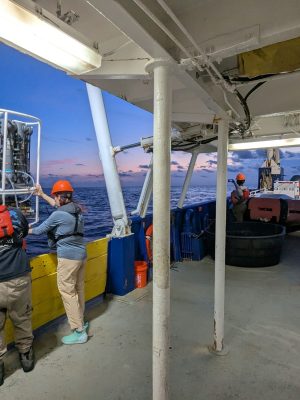
Enhancement of Hypoxia Monitoring in the Northern Gulf
Locations: Alabama, Louisiana, and Mississippi
Lead Institution: Louisiana Universities Marine Consortium
Partner: Louisiana State University Summary: This multi-year project collected nutrient data and monitor for hypoxic conditions east of the Mississippi River. This work expanded the annual “dead zone” mapping cruises in 2024 and 2025 to areas off the coast of Louisiana, Mississippi, and Alabama that are not typically surveyed, filling important research gaps and providing information for coastal scientists, managers, and decisionmakers.
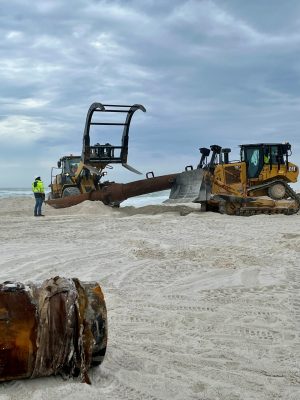
Study to Define the Environmental Benefits of Dredged Sediments in Benefit-Cost Ratio Calculations
Locations: Florida (Hillsborough County), Louisiana (Lafourche Parish), and Texas (Willacy County)
Lead Institution: The Water Institute Partners: USACE, BOEM, Mississippi Department of Marine Resources, Louisiana Coastal Protection and Restoration Authority, NPS, Texas Department of Transportation, Florida Department of Environmental Protection
Summary: This project identified and evaluated benefits of dredged sediment used in regional sediment management projects for three case study sites: Egmont Key, FL, Caminada Headland, LA, and Laguna Madre, TX. The workflow developed as part of this project can be used to streamline the process of finding useful locations to place dredge material created in other projects.
Gulf TREE Access and Maintenance
Locations: Alabama, Florida, Louisiana, Mississippi, and Texas
Lead Institution: Mississippi State University
Partners: The Water Institute, Mississippi-Alabama Sea Grant Consortium, Leopard Studios, 2EMC Solutions
Summary: Gulf TREE is an interactive, online decision-support tool that connects users with over 100 climate or resilience tools filtered for their needs. This project supported maintenance and updates to enhance user access, increase security, and improve functionality of the tool. Visit the tool: http://www.gulftree.org
Tribal Engagement Assessment
Locations: Alabama, Florida, Louisiana, Mississippi, and Texas
Lead Institution: Strongbow Strategies
Summary: Strongbow Strategies completed the tribal engagement and developed a reference guide for ongoing and future engagement with both federally and state-recognized Tribal Nations across Alabama, Florida, Louisiana, Mississippi, and Texas